

Cart
0
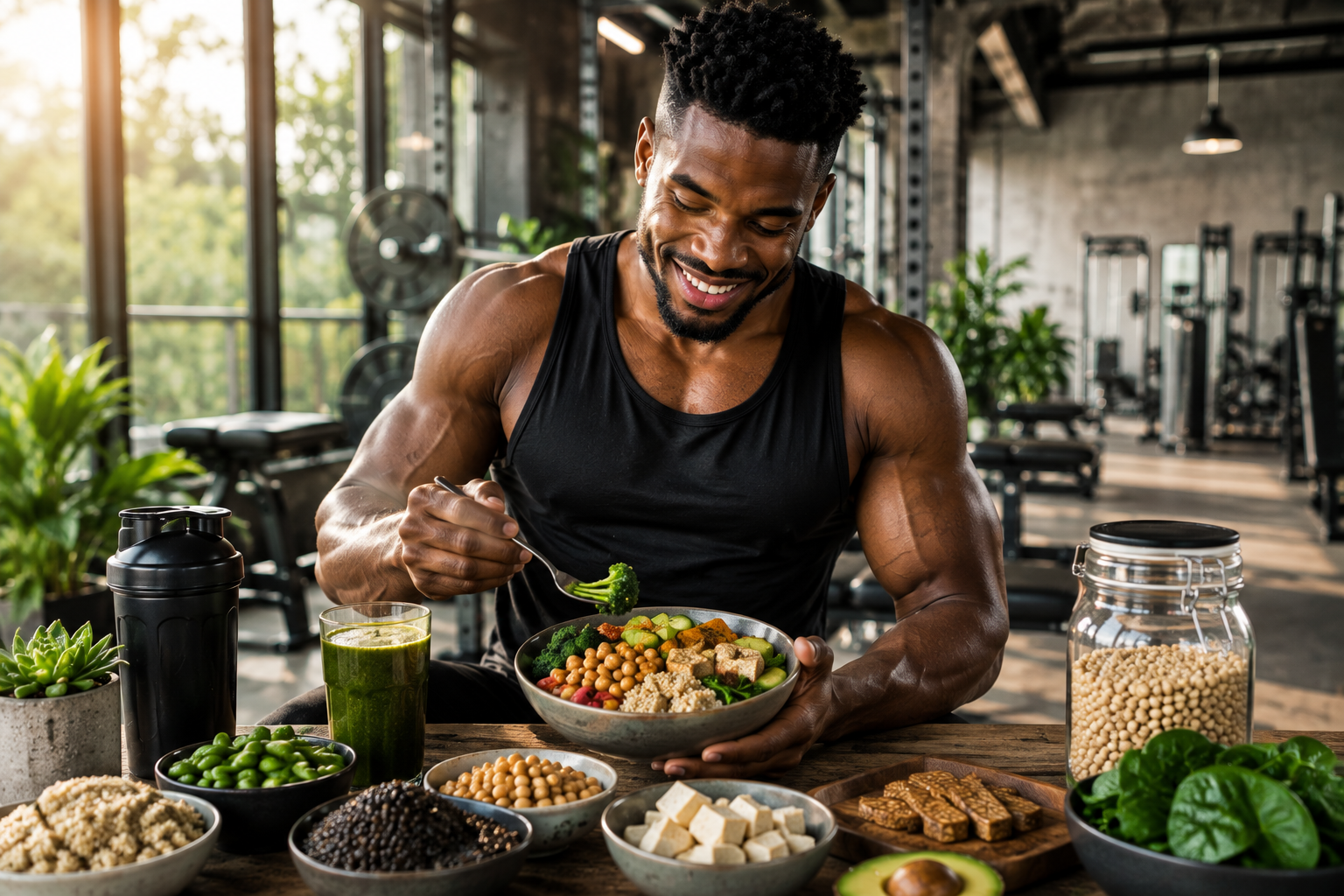
Can you build serious muscle on a plant-based diet?
Yes. Absolutely. Without question.
The idea that you need meat to build muscle is one of the most persistent myths in the fitness world. And it is completely false. Some of the strongest, most powerful athletes on the planet are fueled entirely by plants.
Here is everything you need to know.
The Science of Muscle Building
Muscle is built through a process called muscle protein synthesis — your body repairs and rebuilds muscle fibers that are broken down during training. To do this effectively you need two things: adequate protein and progressive overload in your training.
Both are completely achievable on a plant-based diet.
How Much Protein Do You Actually Need?
The research suggests that active athletes need between 1.2 and 2.0 grams of protein per kilogram of bodyweight daily. For a 180 pound athlete that is approximately 98 to 163 grams of protein per day.
That is entirely achievable through plant-based food alone.
The Best Plant-Based Protein Sources for Muscle Building
These are your foundation — eat these consistently and hit your protein targets every day:
- Tempeh — 31g protein per cup. The single highest plant-based protein source. Fermented soy with a meaty texture perfect for stir-fries and sandwiches.
- Seitan — 25g protein per 3.5oz. Made from wheat gluten. Extremely versatile, high protein and very affordable.
- Tofu — 20g protein per cup. The classic. Works in scrambles, stir-fries, smoothies and baked dishes.
- Edamame — 17g protein per cup. Perfect pre or post workout snack. Eat straight from the pod.
- Lentils — 18g protein per cooked cup. Also high in iron and fiber. One of the most nutritionally complete plant foods.
- Chickpeas — 15g protein per cooked cup. Roast them for a crunchy high-protein snack or add to curries and salads.
- Pea Protein Powder — 20 to 25g protein per scoop. The best plant-based protein supplement. High in BCAAs, easily digestible and effective for muscle recovery.
- Quinoa — 8g protein per cup AND a complete protein containing all nine essential amino acids. Use as your base grain instead of rice.
Training Principles for Vegan Athletes
Nutrition is only half the equation. Here is how to train for maximum muscle growth on a plant-based diet:
- 1.Progressive Overload — gradually increase the weight, reps or sets over time. This is the single most important principle in muscle building. Without progressive overload your muscles have no reason to grow.
- 2.Compound Movements First — squats, deadlifts, bench press, rows and overhead press recruit the most muscle mass and stimulate the most growth hormone. Build your workouts around these.
- 3.Train Each Muscle Group Twice Per Week — research shows that training a muscle group twice weekly produces significantly more growth than once weekly. A push-pull-legs split done twice per week is ideal.
- 4.Prioritize Recovery — muscles grow during rest not during training. Aim for 7 to 9 hours of sleep. Take at least one full rest day per week. Stretch and foam roll regularly.
The Pre-Workout Vegan Meal
Eat 30 to 60 minutes before training. Focus on fast-digesting carbohydrates for energy and a small amount of protein for muscle protection.
Best options: banana with almond butter, oatmeal with berries and hemp seeds, rice cakes with peanut butter, or a smoothie with frozen fruit and pea protein.
The Post-Workout Vegan Meal
The 30 minutes after training is your most important nutritional window. Your muscles are primed to absorb nutrients faster than any other time of day.
Aim for a 3:1 ratio of carbohydrates to protein. For every 3 grams of carbs eat 1 gram of protein.
Best options: pea protein shake with banana and almond milk, brown rice with black beans and avocado, lentil soup with whole grain bread, or a smoothie bowl with protein powder and granola.
Essential Supplements for Vegan Muscle Building
- Vitamin B12 — non-negotiable. Take 1000mcg of methylcobalamin daily.
- Creatine Monohydrate — the most researched supplement in sports science. Increases strength and muscle mass. Most creatine is synthetically made and completely vegan.
- Pea Protein Powder — fill any gaps in your daily protein intake.
- Vitamin D3 — supports testosterone production and muscle function. Take 2000 to 4000 IU daily from a vegan lichen-sourced supplement.
- Algae-Based Omega-3 — supports inflammation reduction and recovery. 250 to 500mg DHA and EPA daily.
A 7-Day Sample Training Split
- 1.Monday — Push (chest, shoulders, triceps)
- 2.Tuesday — Pull (back, biceps)
- 3.Wednesday — Legs (quads, hamstrings, glutes, calves)
- 4.Thursday — Rest or active recovery (yoga, walking, stretching)
- 5.Friday — Push (repeat)
- 6.Saturday — Pull (repeat)
- 7.Sunday — Legs (repeat)
The Bottom Line
Building muscle on a plant-based diet is not just possible — for many athletes it is superior. Plant foods are anti-inflammatory which means faster recovery. They are rich in micronutrients that support hormonal health and energy production. And they allow you to fuel your training without compromising your values.
You do not need meat to be strong. You need conviction, consistency and plants.
Wear your values. Move with compassion. Train with purpose.
— Namaste Vegan Activewear by Legg's Griffano
Ready to look as strong as you feel? Shop the full collection at namasteveganactivewear.com